 Learn Ahom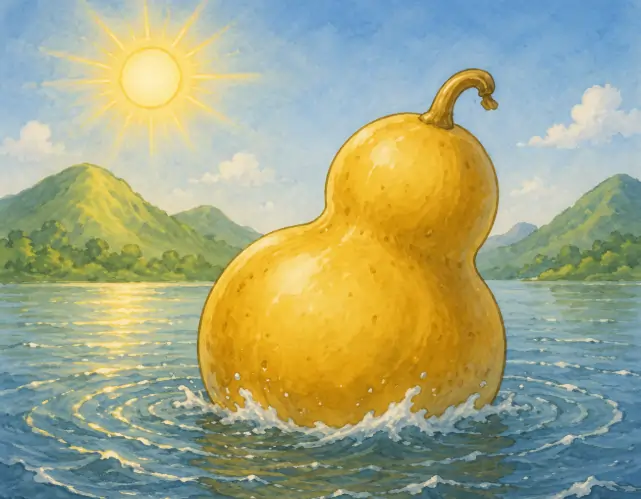
This Story is taken from 试析四则傣族洪水神话, An Analysis of Four Dai (Tai) Flood Myths by Yongxian Qu (2018)
After the great fire had destroyed the heavens, the earth, and all of humanity, the gods created the heavens and the earth once more. They created a second generation of human beings.
But this second generation was impure.
Some had two faces. Some had three faces. Some had eyes that stood upright, while others had eyes that were set sideways. Some had skin thicker than earth itself. Some grew taller than the tallest trees.
But what angered the gods most of all was the blackness of their hearts. They forgot the ways of proper human beings. Fathers forced their daughters to become wives. Mothers lay with their own sons.
The gods looked down and saw these things. They were filled with fury and cursed them loudly:
"This generation of humans is no good! They are more foolish and vile than the beasts!"
So the gods summoned the Rain God, the Water God, and the Sea God. They commanded the waters to rise. A mighty flood came, wave upon wave, to destroy the second generation of humankind.
The flood covered the sky. The flood covered the earth.
And the second generation of human beings was completely wiped out.
But floating upon the surface of the great flood was a golden gourd.
When the flood rose, the gourd rose with it. When the flood fell, the gourd sank down. Wherever the floodwaters flowed, the golden gourd drifted along.
It drifted for ten thousand years.
Then, at last, the gods' anger subsided. The sky became clear again. The earth grew warm again.
The golden gourd bumped against a rock. BOOM! It split open with a thunderous crack.
And from inside the gourd stepped out two siblings: a brother and a sister.
Not long after, these two siblings became husband and wife. They began to bear children. And from them came the third generation of human beings.
They are called the Gourd People.
Admin Note: This story appears in folktales of many minority groups in Southern China such as the Yi people. Probably the Dai people took it from them